

Step 6 Practical application
If parts of your solution still need developing this is the right time. Develop your solution further based on the chosen biological strategies.
Use case studies and examples to illustrate your idea in action.Conduct small tests and validation moments to assess feasibility and effectiveness.
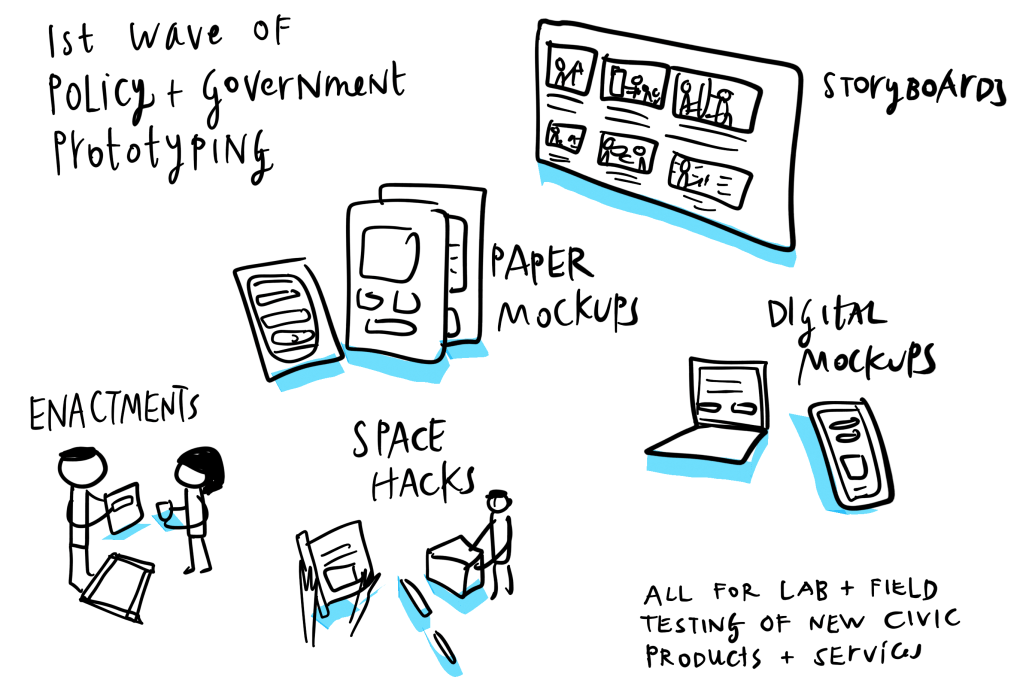
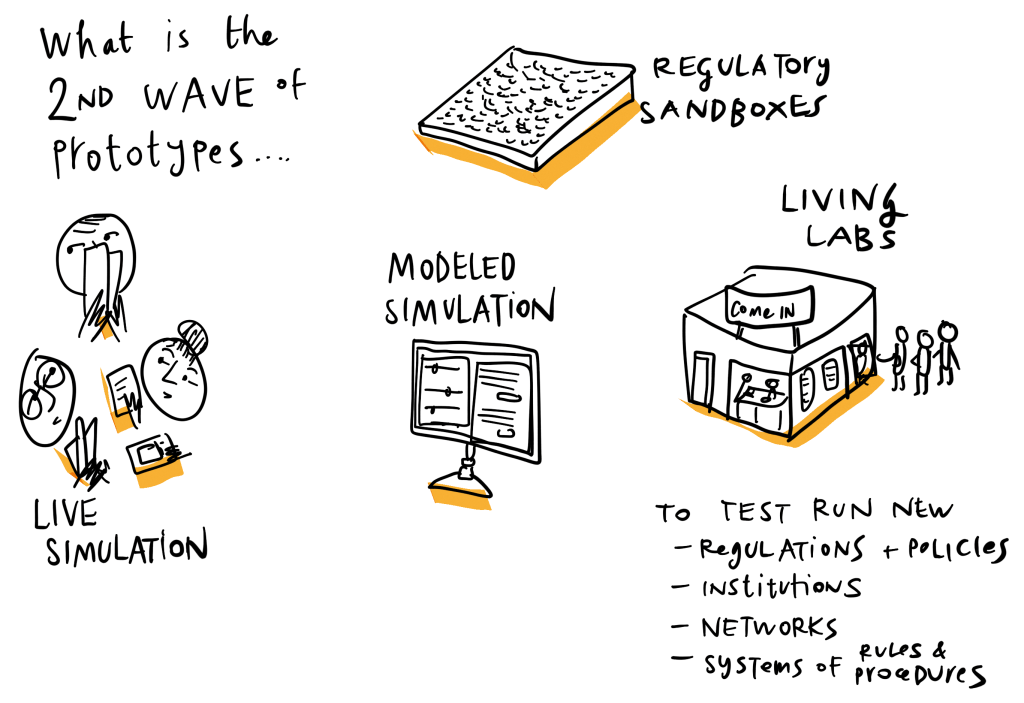
Designed for policy, these methods can be used for testing in different types of projects as well. from Stanford Law.
Test your solution(s) by using (rapid) prototyping, pilot projects and/or simulations. Based on your type of project and problem a simulation can range from simple to very complex. Consult an expert in the necessary field(s) to assist.
Studies and tests are needed to test the feasibility on multiple levels; technically, environmentally, legally, financially and socio-culturally to name a few. You can run a test, pilot, experiment or etc. very scientifically or less strictly but still thoroughly. However, two key aspects that all tests should have and need to be thought up before performing them are: To define clear objectives and figuring out how and what data & feedback to gather.
An example of a clear objective can be to increase green coverage by 5%.
An example of how to gather data can then be to use satellite images to assess green cover.A third method could even be to plan more ahead in the pilot phase, by already thinking of how to scale up when the solution seems feasible.
Play around with making rapid prototypes and initiating a pilot project. Everything you can do to test your solution in as unbiased a way as possible is good. Don’t forget to gather objective feedback.
You can prototype and do testing in different ways, so long as you test the feasibility of the real-world functionality of your solution including interactions with other parts of the system. Not just the solution in isolation.
Next: Step 7.
Previous: Step 5.
 Ecosystem Biomimicry Guide