“Nature is the source of all true knowledge. She has her own logic and laws. She has no effect without cause nor invention without necessity.”
-Leonardo Da Vinci
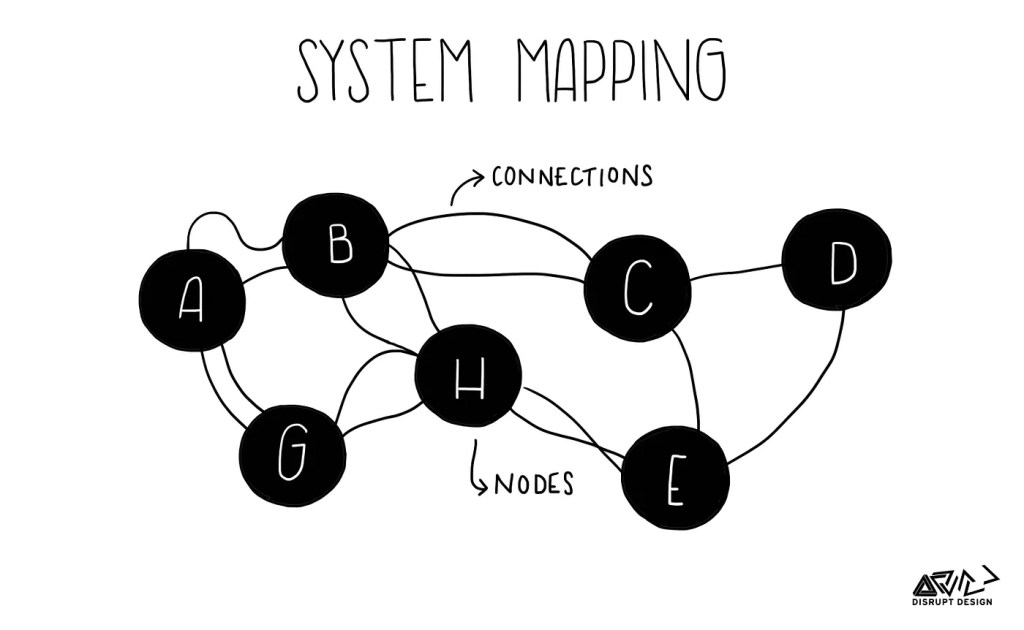
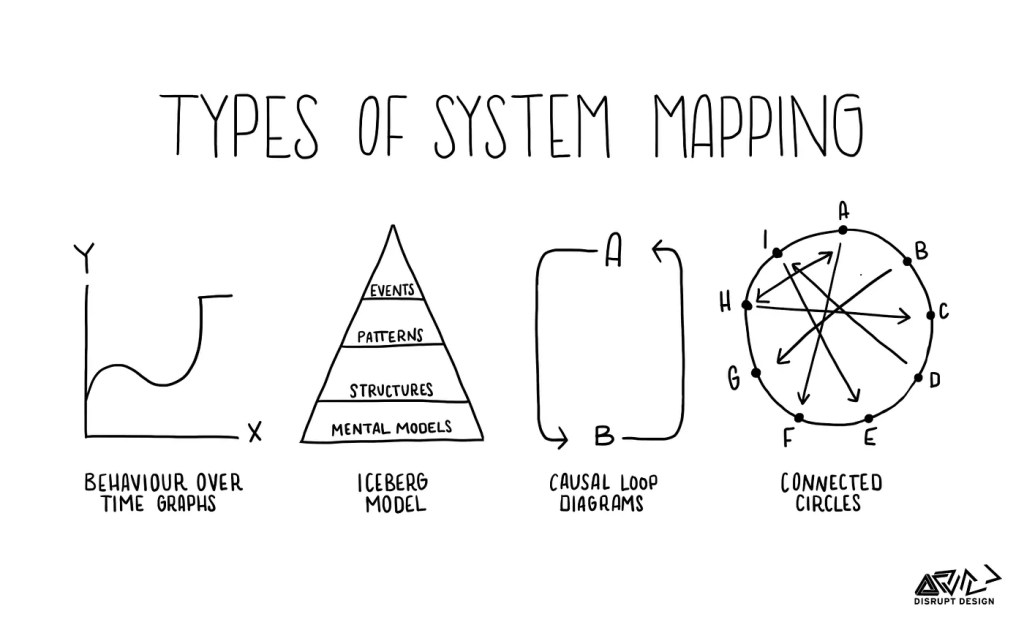
The first step is understanding the problem. To best do this you can map out the system surrounding your problem. Try to write out all the key actors, factors and influences. Then Identify key components, relationships, and feedback loops.
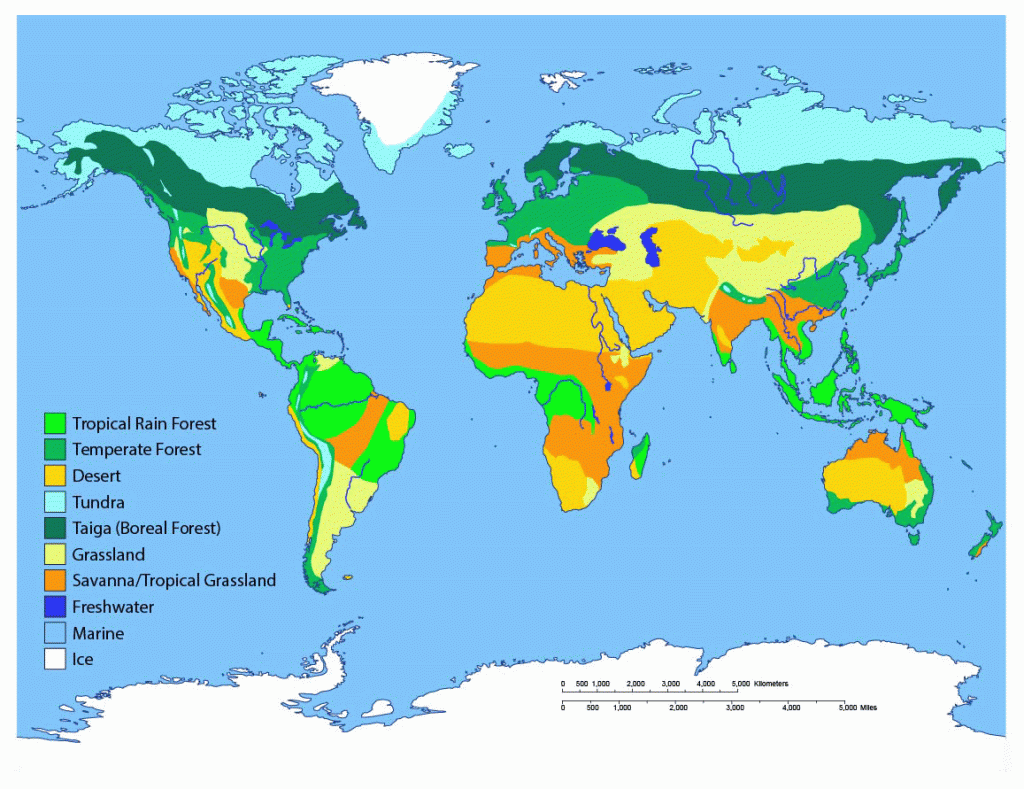
Next, define the broader local context on different levels. Look at biomes, climate regions, social, technological and geographical contexts etc. See the map below for an example. Use this information to make a more detailed map.
This map shows the world biomes in a very broad manner and not every exact location is correctly classified. Non the less, we can use this to get an idea of the ecological context of the project.
Take your system map and try to identify areas where small changes can lead to significant impacts. Also known as leverage points. Visualising your system in new ways may help to uncover some of these key points.
The following three criteria can also aid in pinpointing leverage points in your system. (1) Common cause to multiple effects. (2) Can be influenced by an intervener. (3) Root cause characterised by being independent (cannot cite further causes).
Biologize your problem and key components. This means stripping it down to key functions and processes that allow you to search for similarities in the natural world. For example, if the urban heat island is a problem-> rewrite the problem as temperature regulation. Use sources like Asknature, panorama, scientific journal databases or the Ecomimicry database(still to come) to look at natural systems.
It is also important to go out into nature yourself. Nature is everywhere, even in the city. Take a walk in a park, wander some streets, find a pond/stream or take a longer outing into a natural area outside the city. First, just observe and be in nature, but take a notebook with you for any ideas and inspiration. For more exercises see here.
Brainstorm nature-inspired solutions and innovative approaches. Just get as many ideas out there as possible. Explore in the following order: (1) Look at the locally relevant biological system models in terms of biomes and climate zones or your surrounding area. (2) If necessary you can look at similar biomes and climate zones in other geographical regions. (3) You can look at ecotones at the border of your local context and adjacent biomes and climate zones.
This image shows the three different levels of abstraction. From low level literal mimicry (bird wings and planes), to high level abstraction of processes and systems (Bird group flight and windmill park arrangement). During your own discovery play around with abstractions at different levels and you will find that throughout the process you can move between the levels. At the end we are aiming for solutions at the intermediate to high level of abstraction.
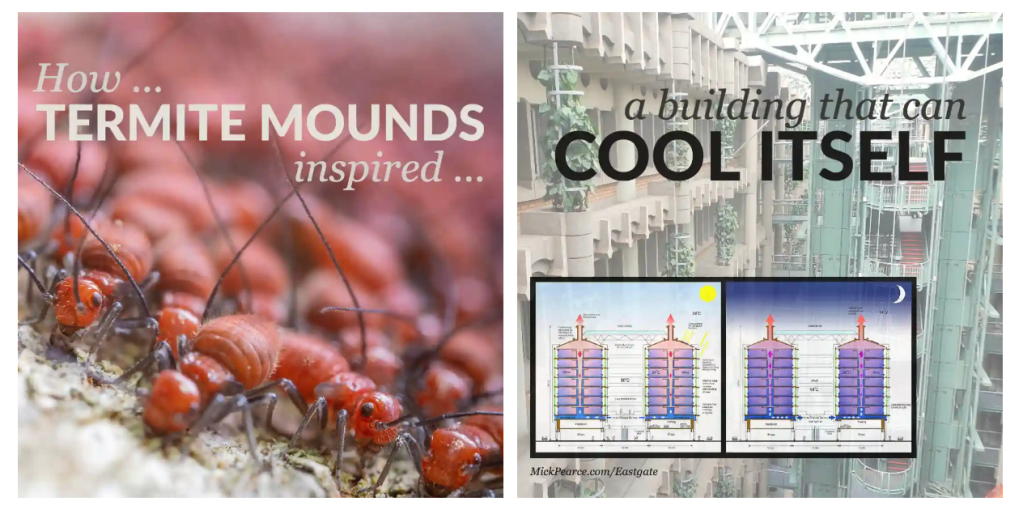
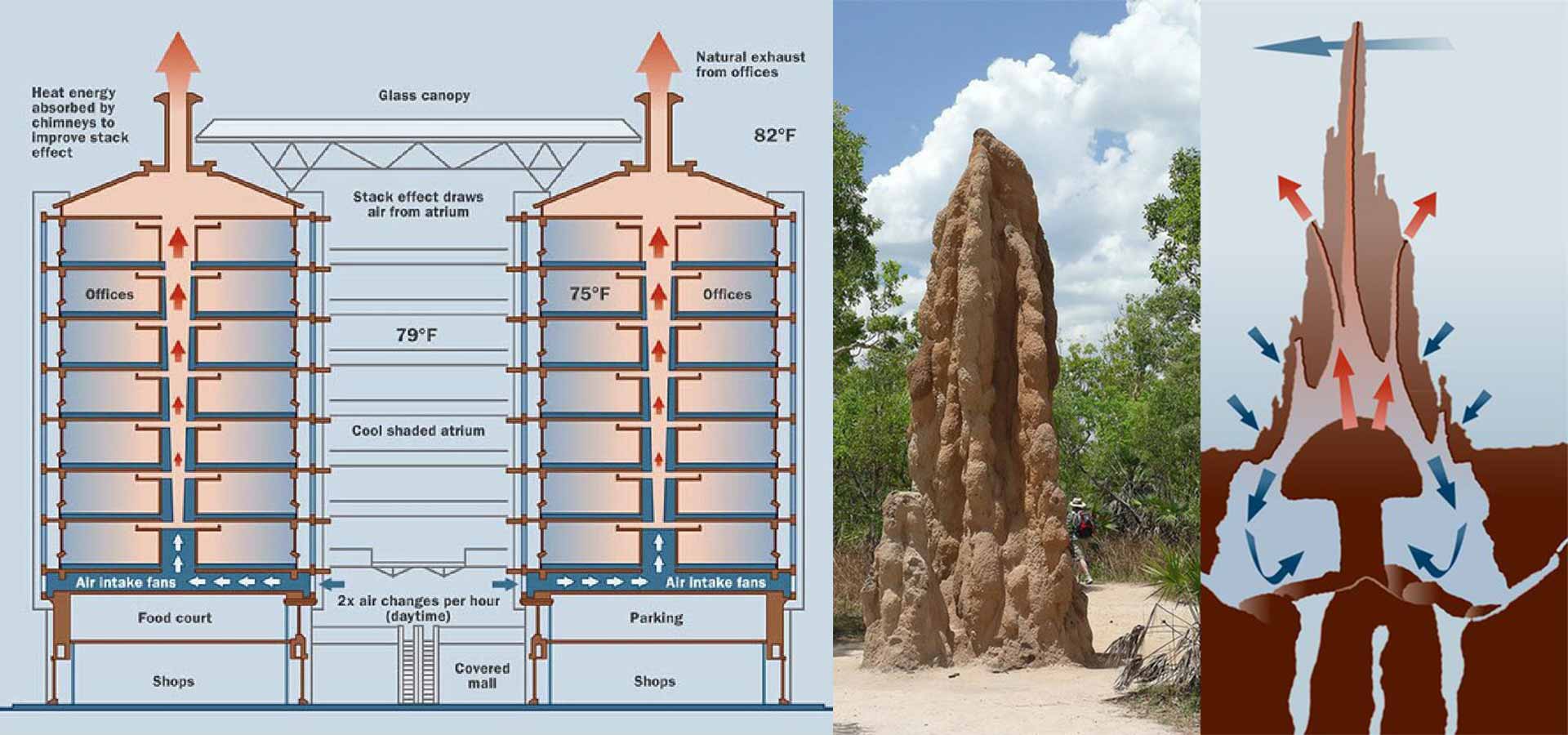
Above is an example of biomimicry of a natural ventilation system created by termites. For more biomimicry inspiration see here.
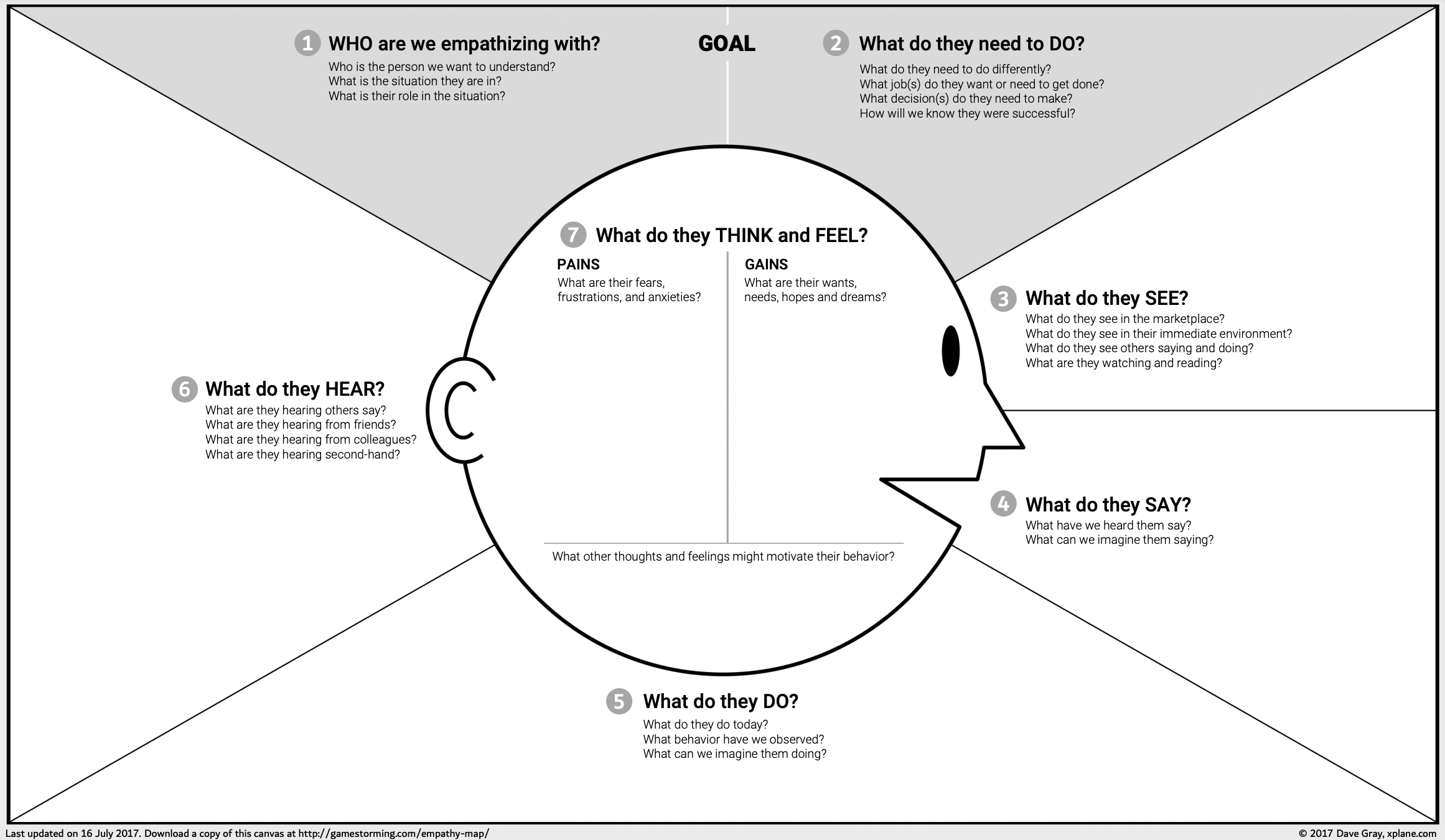
To refine the solutions we need to think holistically. This means understanding the context of the problem or the situation you are facing. It is beneficial to explore multiple perspectives. Step into the shoes of different demographic groups to assess the situation from different perspectives. Include plants, animals etc.
Generate alternatives solutions based on the perspectives. What are the possible options, outcomes, consequences, and implications of each perspective? Can you generate alternatives or adjustments that would satisfy all or at least more groups than before?
Challenge your assumptions and questions by interviewing different people.
Not the difference between linear and systems thinking. Systems thinking is the basis for thinking holistically.
An exercise to help imagining the problem from different perspectives.
Identify the ecosystem services that are generated currently and the services that could be generated by your solution. (See below for examples of ecosystem services).
Embrace regenerative design principles. Move the goal away from simply being sustainable (doing no harm) to regenerative (positively impacting the environment).
Go over your list of ecosystem services. See if you can align your solution or tweak it to restore & enhance ecosystem functions in your system and potentially even generate new ecosystem services.
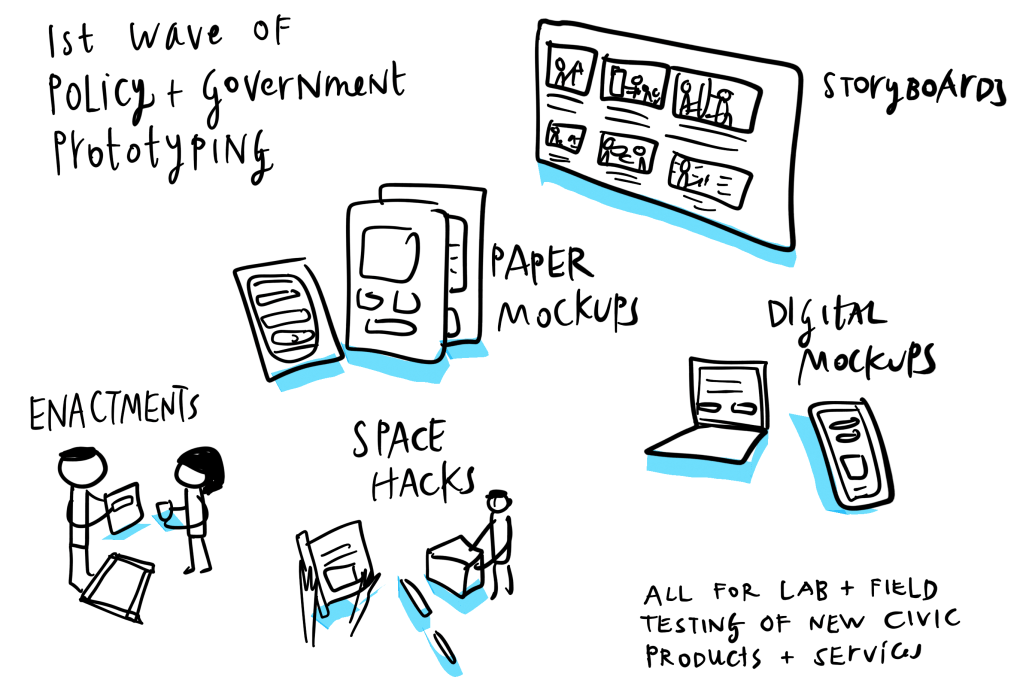
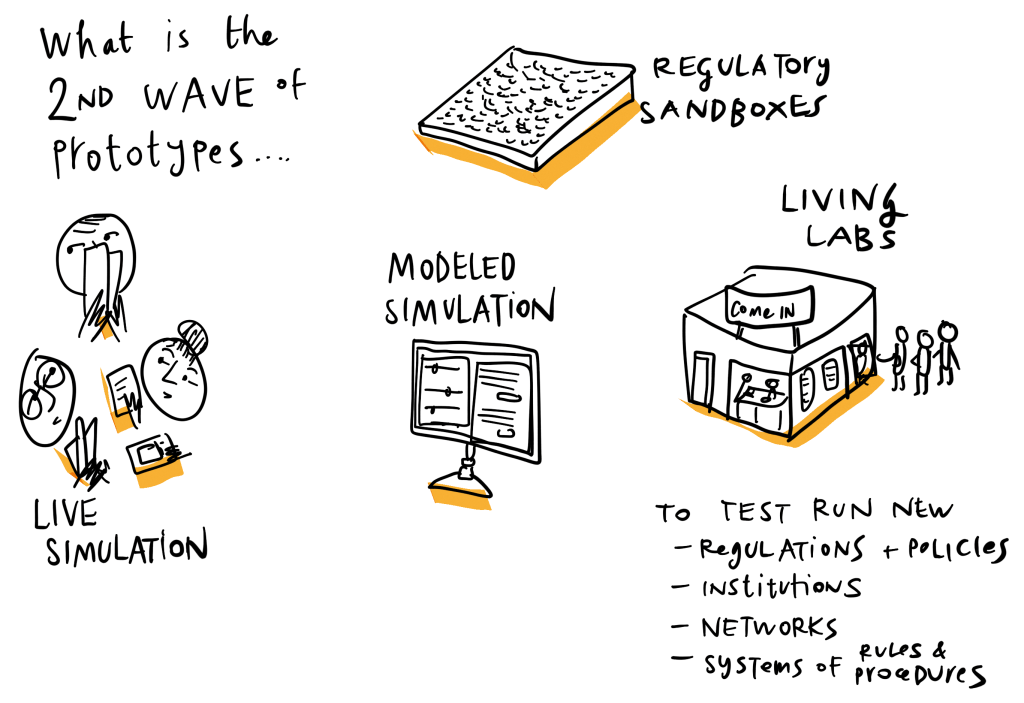
Test and validate your solution. Play around with making rapid prototypes, simulations and initiating a pilot project. Everything you can do to assess your solution in as unbiased a way as possible is good. Don’t forget to gather objective feedback.
Evaluate your solution as objectively as possible. Focus on just evaluating first. A few great tools to help evaluate your solution are life’s principles, Nature’s unifying patterns, cost-benefit analysis, your story of place and local context.
After the first evaluation is complete think of ways to improve your solution, maybe adding or enhancing a life’s principle etc.
It is important to not see this now as the end of the project. Rather a good starting point, which will need continuous evaluation and adjustments to keep improving and adapting to changes.
Please share your solutions and ideas, so that we can learn and grow a better future together.






 Ecosystem Biomimicry Guide